Close Work With Your Engineer
A basement dig depends on getting the depth, temporary support and soil stability right. We follow your engineer’s design closely from the first bucket to the last.
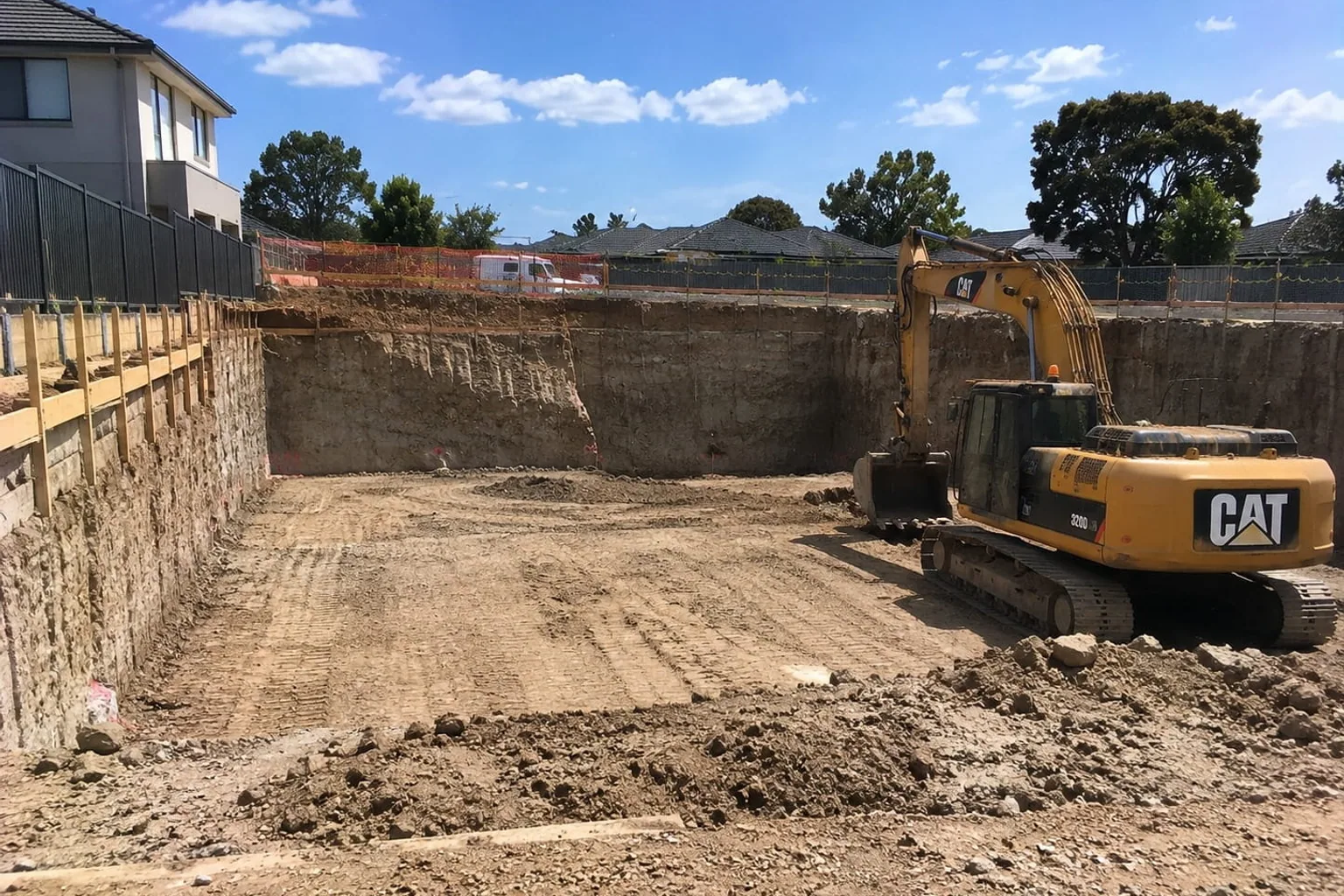
Basement Excavation
Basement digs staged carefully, with access, spoil cartage and neighbouring structures considered at every step.
Planned properly. Finished tidy.
Digging below ground level calls for careful planning, strong equipment and a team that understands site safety and stability. We provide basement excavation in Auckland for new homes, townhouses, apartments and commercial developments, working closely with builders, engineers and project managers.
Our operators remove soil precisely to the required depths and profiles, managing access, haulage, shoring requirements and neighbouring structures along the way. We use quality excavators and tipper trucks to move material efficiently, keeping the project on schedule and the site organised.
Every job is approached with safety, accuracy and communication at the forefront, so you know what is happening at every stage. If you are planning a basement or underground level, contact us today for a free, no-obligation quote.
A basement dig depends on getting the depth, temporary support and soil stability right. We follow your engineer’s design closely from the first bucket to the last.
Where the design calls for it, we use shoring or batter the sides back, keeping the excavation and nearby buildings stable as we go deeper.
Deeper digs carry more risk, so we take the excavation down in controlled stages to the exact level your basement design requires.
A basement produces a lot of material. We keep it moving off site, so the excavation stays accessible and the work area stays organised.
Near boundaries and neighbouring buildings, we watch for ground movement and adjust our approach to reduce the risk of affecting adjacent properties.
Once the hole is dug to spec, it’s ready for waterproofing, formwork and the basement walls to go in as planned.
Often booked alongside Excavation, Bulk Excavation, Footing Excavation, Rural Excavation and other prep work where access, levels and a tidy handover count. It all sits within our excavation sub-services work.
We pick the machine and attachments only once we have looked at access, reach, the ground, how much material is moving and the finish you need.
What applies depends on Auckland Council, your property and the job. Any approvals, beforeUdig locating and site controls need confirming before we start.
What drives the cost
Every site is different. Here is what makes the biggest difference to a basement excavation quote.
Each extra metre of depth needs more careful digging and can bring in temporary shoring, so a deep basement costs more than a shallow one.
Where the ground won’t stand on its own, the walls of the dig need support. The shoring materials and labour add to the overall figure.
Basements produce a lot of material, and nearly all of it has to leave the site. Cartage and disposal are a big part of the bill.
Digging close to a boundary or an existing house takes slower, more controlled methods to stop the ground moving, which adds time and cost.
What we bring
Basement digs often need shoring, spoil removal and close coordination with the engineer’s requirements, and we look after all of it ourselves. Instead of hiring separate contractors for the excavation, the ground support and the carting, our crew has the gear and experience to handle a deep dig safely and efficiently. With one crew overseeing the whole process, there are fewer handovers and a more consistent, accountable result for your project.
What is covered
A basement dig follows whatever is holding the ground back. We agree that order before work begins.
Why work with us
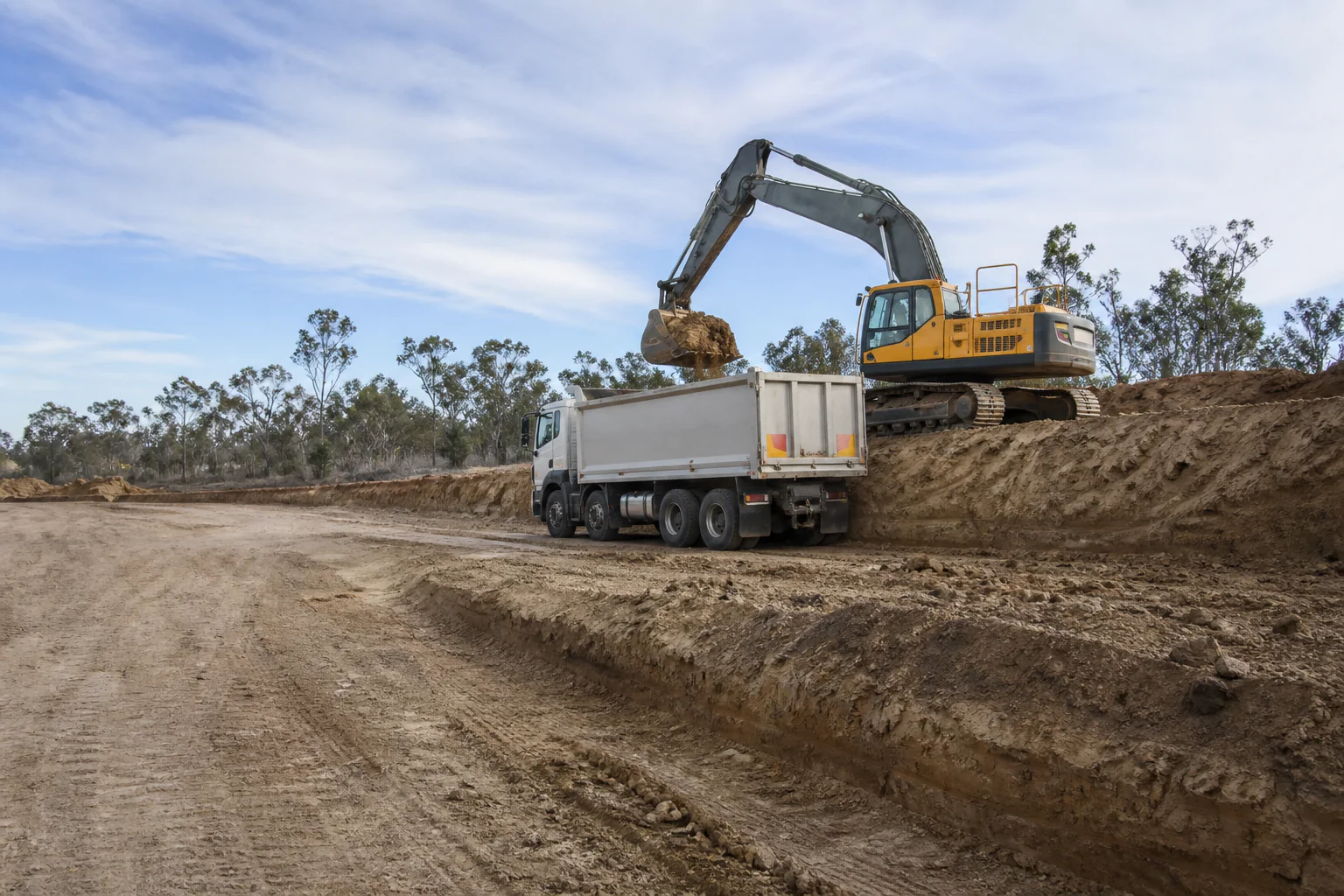
Digging a basement carries more risk and complexity than most earthworks, especially when it comes to ground stability and working alongside the structural design. We liaise closely with your engineer on depth, shoring and support, and put the right measures in place to keep the ground stable as the dig goes deeper. Near boundaries and neighbouring buildings we monitor the excavation carefully to reduce the chance of movement affecting the property next door.
Basements create a lot of spoil, and we manage it efficiently so the site stays organised and accessible as the work goes on. We’ve dug basements on Auckland sections with very different ground, from heavy clay to volcanic rock, and we bring the steady, methodical approach this higher-risk work calls for. Once the dig meets specification, the space is ready for waterproofing and construction, without the setbacks that come from cutting corners on excavation or ground support.
Getting the site ready
A deep excavation has very little tolerance for surprises. These four are best settled before the first cut.
The excavator and the spoil trucks both need a clear route to the dig. A basement produces a lot of material, and it has to leave the site without obstruction.
Mark any services you know run close to the basement area. The deeper we go, the greater the chance of meeting buried lines that standard plans don’t show.
Keep your engineer’s specifications on hand, including any shoring details. A basement dig must follow the approved structural design closely the whole way.
Digging deep near a boundary can worry the people next door. Explaining early what to expect around noise, vibration and timing helps keep relations good.
Where we work
Basements are most common in Auckland’s high-value inner and eastern suburbs, plus sloping sections in the Waitākere foothills, where large homes or steep ground make going down the sensible option.
We take on basement digs anywhere in the Auckland region.
Common questions
We work right across metropolitan Auckland, and regional or rural jobs can be looked at case by case. Include your suburb when you ask for a quote and we’ll confirm whether we can help.
Not always. Simpler jobs can often be priced from plans and photos, but sites with awkward access or a complicated scope are usually worth a visit first.
It depends on Auckland Council’s rules, your property and the scope of the job. Check what applies before anything starts—we can help you work out what to ask the council.
We cover residential, rural, commercial and civil work. Whether a particular job suits us comes down to access, programme, the plant needed and the confirmed scope.