Reduced Rework
Redoing work on site can swallow a large slice of a project’s budget. With guided grading the cut lands much closer to right on the first pass, instead of digging, checking and then digging again.
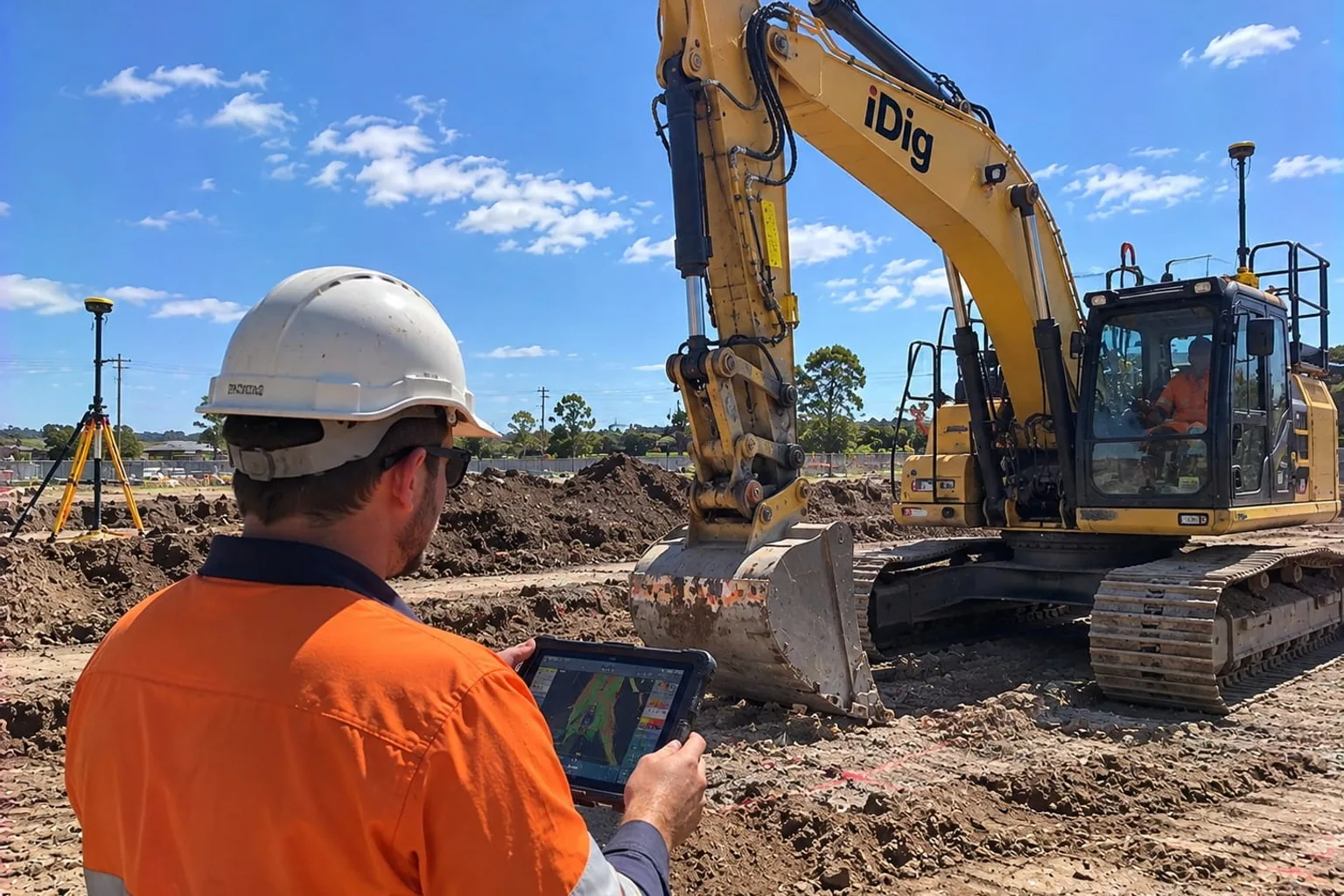
iDig Technology
Machine guidance that helps hold consistent dig depths, levels and grades on the projects where it suits.
Planned properly. Finished tidy.
Accuracy matters in earthworks, and modern machine control technology helps us deliver precise results faster. We use iDig technology in Auckland to guide excavation depths, slopes and levels directly from the operator’s cab.
This reduces guesswork, minimises over-digging and cuts the need for constant manual checking, saving time and material costs. It is especially valuable for drainage, trenching, footings, grading and civil projects, where exact falls and depths are critical.
Clients benefit from consistent quality, fewer errors and faster completion, while operators work with greater confidence and efficiency. By combining skilled operators with advanced technology, we deliver work that meets plans and specifications the first time. Contact us today to discuss your project and receive a free, no-obligation quote.
iDig is a guidance system that bolts onto an excavator and tells the operator, live in the cab, how deep, how far and at what slope the bucket is working. It is made up of a control box, an LED bar display and a handful of sensors on the boom and stick, without the loom of cables that older guidance setups needed. The sensors are wireless and solar charged, and the system can link to GNSS (GPS) positioning so the operator can mark out and check points without having to wait for a surveyor.
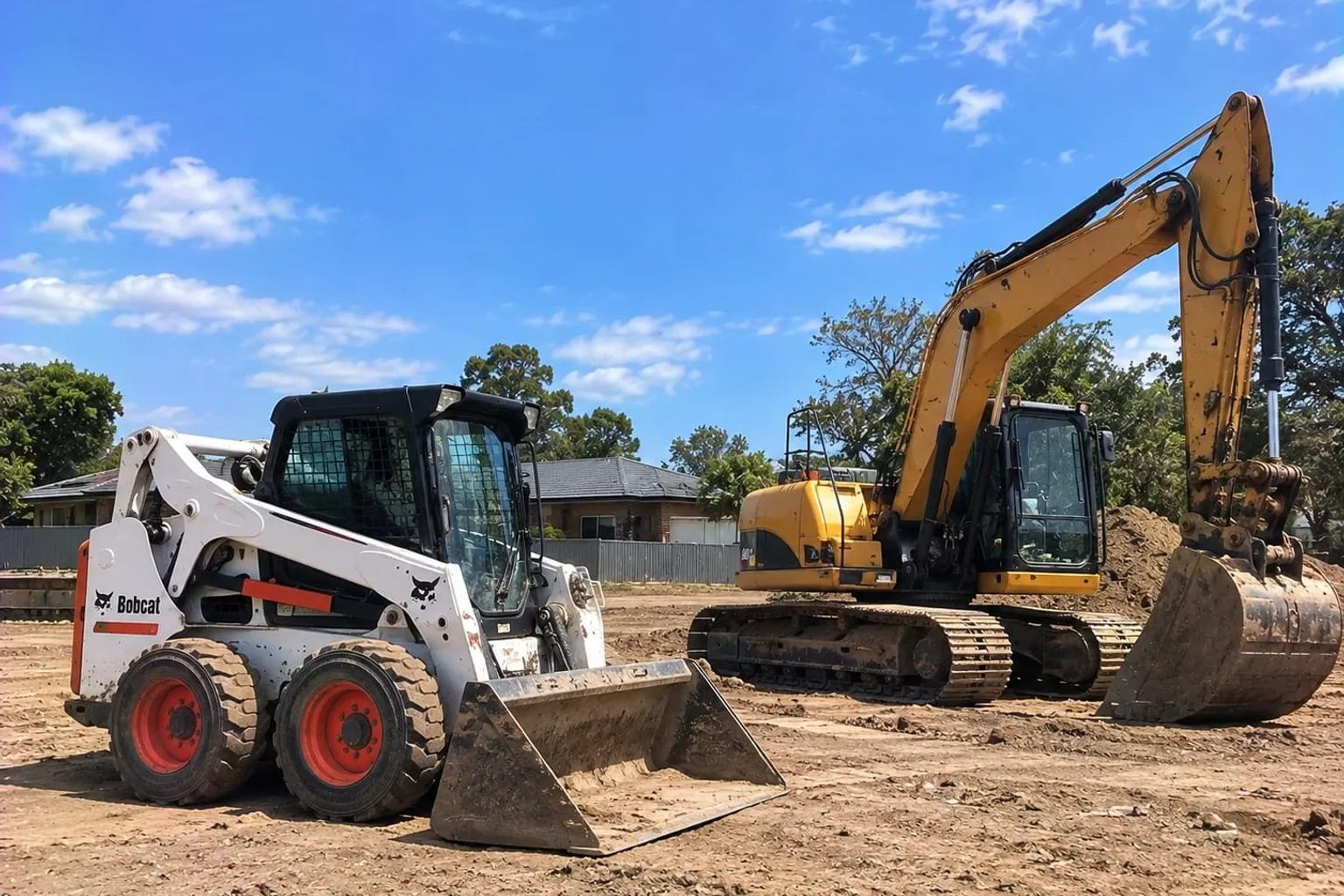
The system works out where the excavator is using either a laser or GPS, then guides the operator in real time so the bucket stays inside the tolerance set for the job. Because the LED display sits in the operator’s line of sight to the bucket, they can tell how near they are to grade without stopping to measure by hand or getting someone to come over with a level. It typically holds to roughly 10 mm, or 3/8 of an inch, which is tight enough for footings, trenches and finished grading.
The system is not wired permanently into one machine, so it can be calibrated and shifted from one excavator to another fairly fast. That helps on a site where more than one digger is working at the same time.
Redoing work on site can swallow a large slice of a project’s budget. With guided grading the cut lands much closer to right on the first pass, instead of digging, checking and then digging again.
iDig cuts out most of the stop-and-measure grade checks, which counts for a lot in trenches, where pausing to check levels is both slower and less safe.
The same system handles excavation, foundations, trenches, slopes and embankments as well as civil work such as roads, services and drainage channels, so the results hold steady whether the job is a single driveway cut or a full subdivision.
Operators who have moved to guided systems say the work is less tiring on the body, and that they get through it faster with a better finish.
We get the most out of iDig on jobs where accuracy really changes the result: footings and trenches that have to hit an exact depth and fall, civil and subdivision earthworks built to engineering drawings, and large grading jobs where holding even levels over a wide area saves genuine time. It is another way we put modern gear to work in an old trade, while keeping the practical judgement an experienced operator brings to every Auckland site, whether that is soft clay or buried basalt.
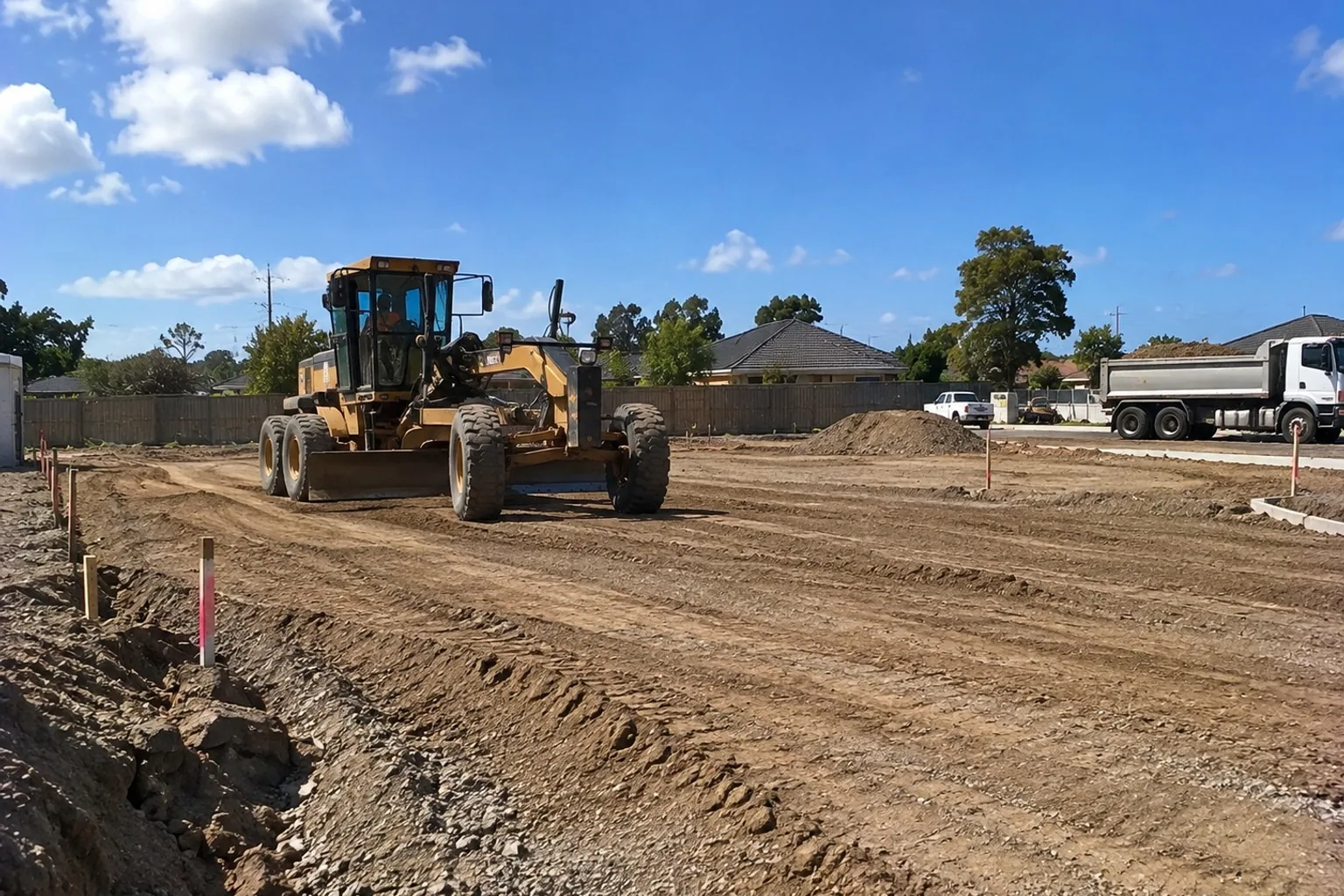
iDig gives our operators accurate depth and grade readings in the cab, taking the guesswork out of digging compared with traditional methods alone.
With digital guidance, there’s far less chance of over-digging or getting the grade wrong, which saves time and material on your job.
iDig removes much of the manual checking that used to slow excavation and grading down, keeping your project moving.
Digital guidance keeps results consistent over large or complex sites, so the accuracy doesn’t drift on long digs or grading runs.
iDig can work directly from digital design files, so the excavation matches the engineering specs without errors from transferring measurements by hand.
Using this technology means more accurate and efficient results on your project, reflecting a modern approach to earthworks.
Often booked alongside Bobcat Hire, Excavator Hire, Tipper Truck Services, Mini Digger Services and other prep work where access, levels and a tidy handover count. It all sits within our specialty and equipment-based work.
We pick the machine and attachments only once we have looked at access, reach, the ground, how much material is moving and the finish you need.
What applies depends on Auckland Council, your property and the job. Any approvals, beforeUdig locating and site controls need confirming before we start.
What drives the cost
Every site is different. Here is what makes the biggest difference to an iDig technology quote.
Using iDig across a large site with lots of levels to hit is priced differently from a smaller job where the system is set up for a short time.
Complex engineering plans with many grades and levels to follow can take longer to set up in the system, which feeds into the cost.
An excavator running GPS guidance may carry a different rate from a standard machine without the technology on board.
Calibrating the system takes time at the start, and that is built into the price, but it often pays back by cutting rework later on.
What we bring
Choosing our iDig-equipped machines also gives you access to our full excavation and earthworks fleet if the job needs more than precision digging. Rather than finding separate gear for extra excavation, levelling or material handling, we already have it on hand. You get accurate, technology-guided results backed by the full capability of an established local earthworks crew.
What is covered
Machine guidance takes the guesswork out of digging but does not replace a survey, and the scope says so.
Why work with us
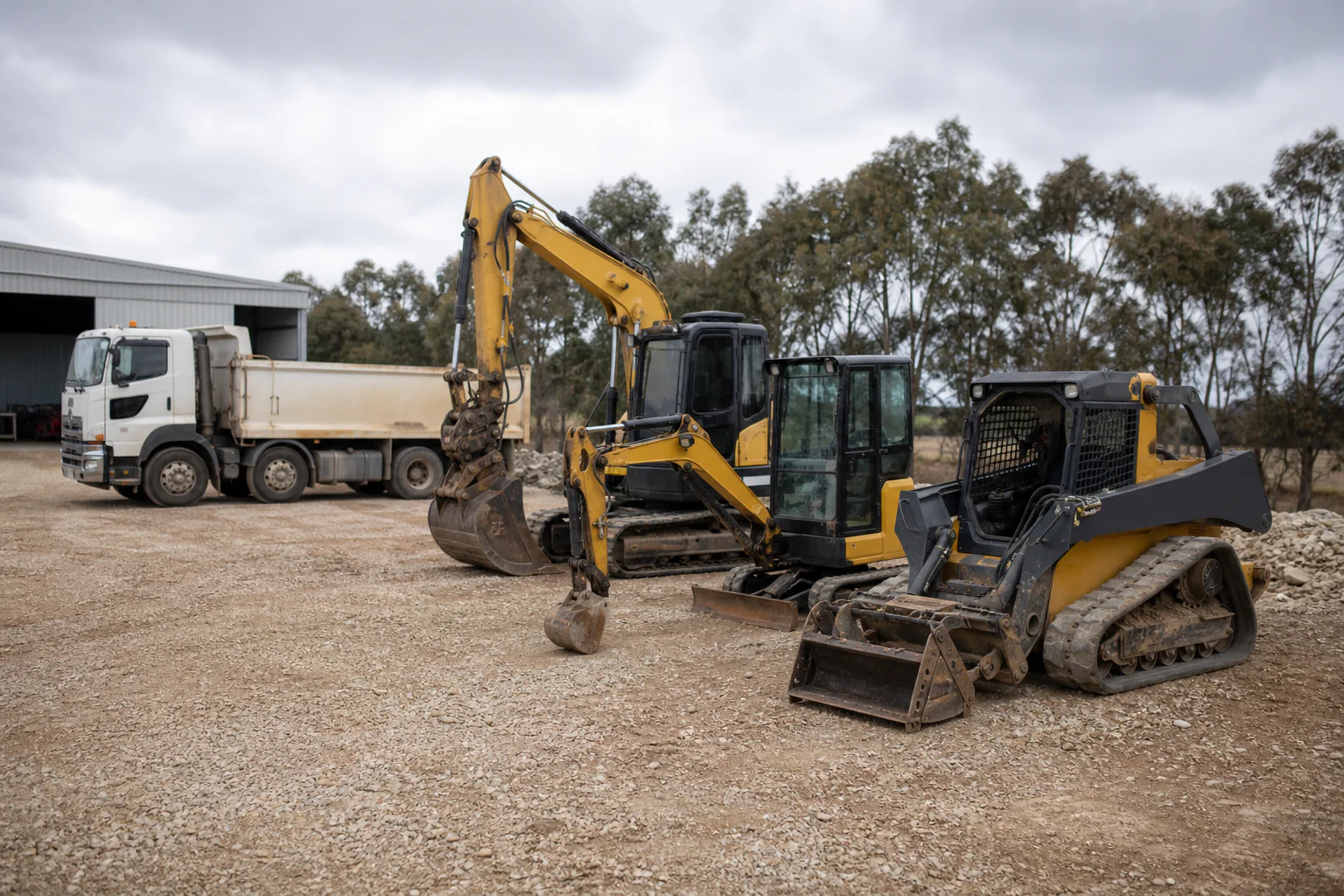
Accuracy counts in excavation, and iDig technology gives us a level of precision that traditional methods on their own can’t match. Our GPS-guided excavators reach exact depths and grades, taking much of the guesswork and rework out of a conventional dig. Less risk of over-digging or getting the grade wrong saves time and material across your project, and the results stay consistent and repeatable even on large or complicated sites.
Where digital engineering plans are available, the system works straight from them, so the dig matches the specification without errors creeping in from manual setting out. On Auckland projects where precision really matters, such as complex commercial sites or work with tight engineering tolerances, iDig reflects a modern and more efficient way of doing earthworks. Using the best tools available is part of what sets our excavation apart from more traditional operators.
Getting the site ready
Machine guidance runs on data, not guesswork. These four make sure that data is ready before we start.
The excavator should be able to move around the whole site without obstacles, so GPS guidance can follow the planned path accurately.
Where you can, supply engineering or design drawings as digital files, so the system can work straight from accurate specifications.
Point out any survey pegs or reference marks already on site, so the guidance system can be set up accurately from the outset.
Make sure depths, grades and dimensions are written down beforehand, so the technology can deliver all the precision it’s capable of.
Where we work
iDig technology proves its worth on growth-area and civil projects, where precise excavation matters most for subdivision and infrastructure work.
We’ll bring iDig to any complex Auckland project that needs this level of accuracy.
Common questions
We work right across metropolitan Auckland, and regional or rural jobs can be looked at case by case. Include your suburb when you ask for a quote and we’ll confirm whether we can help.
Not always. Simpler jobs can often be priced from plans and photos, but sites with awkward access or a complicated scope are usually worth a visit first.
It depends on Auckland Council’s rules, your property and the scope of the job. Check what applies before anything starts—we can help you work out what to ask the council.
We cover residential, rural, commercial and civil work. Whether a particular job suits us comes down to access, programme, the plant needed and the confirmed scope.