Working From Your Landscape Plan
We follow your designer’s plan or brief, checking that the finished levels and shapes match the intended layout before any planting or surfacing goes in.
Final Trim Landscaping
Fine trimming and shaping of the ground before landscaping goes in, setting drainage falls for a tidy handover.
Planned properly. Finished tidy.
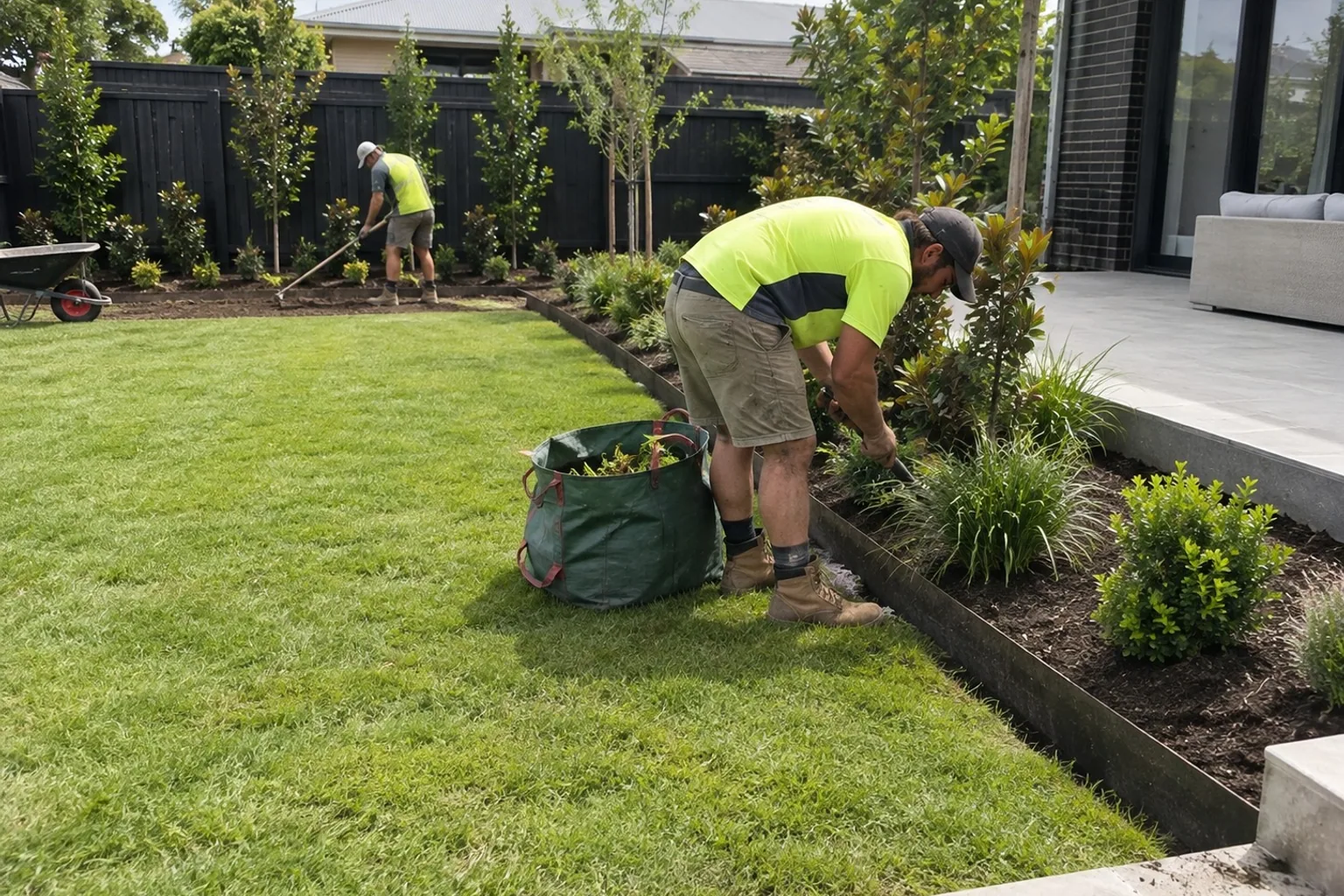
The final trim is where a project comes together, and a quality finish makes all the difference. We provide final trim landscaping in Auckland, shaping and smoothing soil surfaces to precise levels after construction is complete.
Our team fine-tunes grades, spreads topsoil, removes remaining rubble and prepares the ground for lawn, turf, garden beds or paving. We work carefully around new structures, paths, drainage and services so that water flows away from buildings and the surface looks clean and even.
Builders and homeowners rely on us to deliver a neat, professional result that is ready for the landscaper to take over. With the right machinery and experienced operators, we complete the job efficiently and on time. Get in touch today for a free, no-obligation quote.
We follow your designer’s plan or brief, checking that the finished levels and shapes match the intended layout before any planting or surfacing goes in.
We dial in the final levels and contours across lawns, garden beds and paths, giving the crisp, well-defined shapes a finished landscape needs.
We check and tweak the falls so water heads away from the house and doesn’t sit in garden beds or hollows, which matters on Auckland clay that drains slowly.
The soil is left shaped and ready for the next step, whether that’s laying turf, planting beds or spreading mulch, with no extra levelling needed.
Final trim is about the finishing details: sharp edges, even levels and a neat overall look that lets the landscape design come together as intended.
When we’re done, the area is ready for planting, turf or immediate use, giving you a properly completed result rather than rough ground you still have to sort out.
Often booked alongside Site Preparation, Land Clearing, Vegetation Removal, Grass Removal and other prep work where access, levels and a tidy handover count. It all sits within our site preparation and groundwork work.
We pick the machine and attachments only once we have looked at access, reach, the ground, how much material is moving and the finish you need.
What applies depends on Auckland Council, your property and the job. Any approvals, beforeUdig locating and site controls need confirming before we start.
What drives the cost
Every site is different. Here is what makes the biggest difference to a final trim landscaping quote.
A large area, or one with lots of shapes and edges, takes more time and careful machine work to bring to a tidy finished level.
Contoured mounds, several garden beds and curved edges all need more fine work than a plain, open lawn area, and that detail adds hours.
If the trim includes correcting levels so water runs away properly, there’s more checking and reshaping involved, which widens the job.
Ground ready for turf needs a different finish from ground going under planting or mulch. The level of finish required affects the time and the price.
What we bring
Final trim work tends to overlap with levelling, small drainage tweaks and material supply, and we have all of that covered ourselves. Instead of you coordinating separate landscapers, graders and drainage contractors, our crew brings the machinery and topsoil needed to finish the site properly in a single visit. The result is a polished finish from one crew that already has everything it needs to get it right first time.
What is covered
Final trim is fine work at the tail end of a rough job. This is where our share begins and finishes.
Why work with us
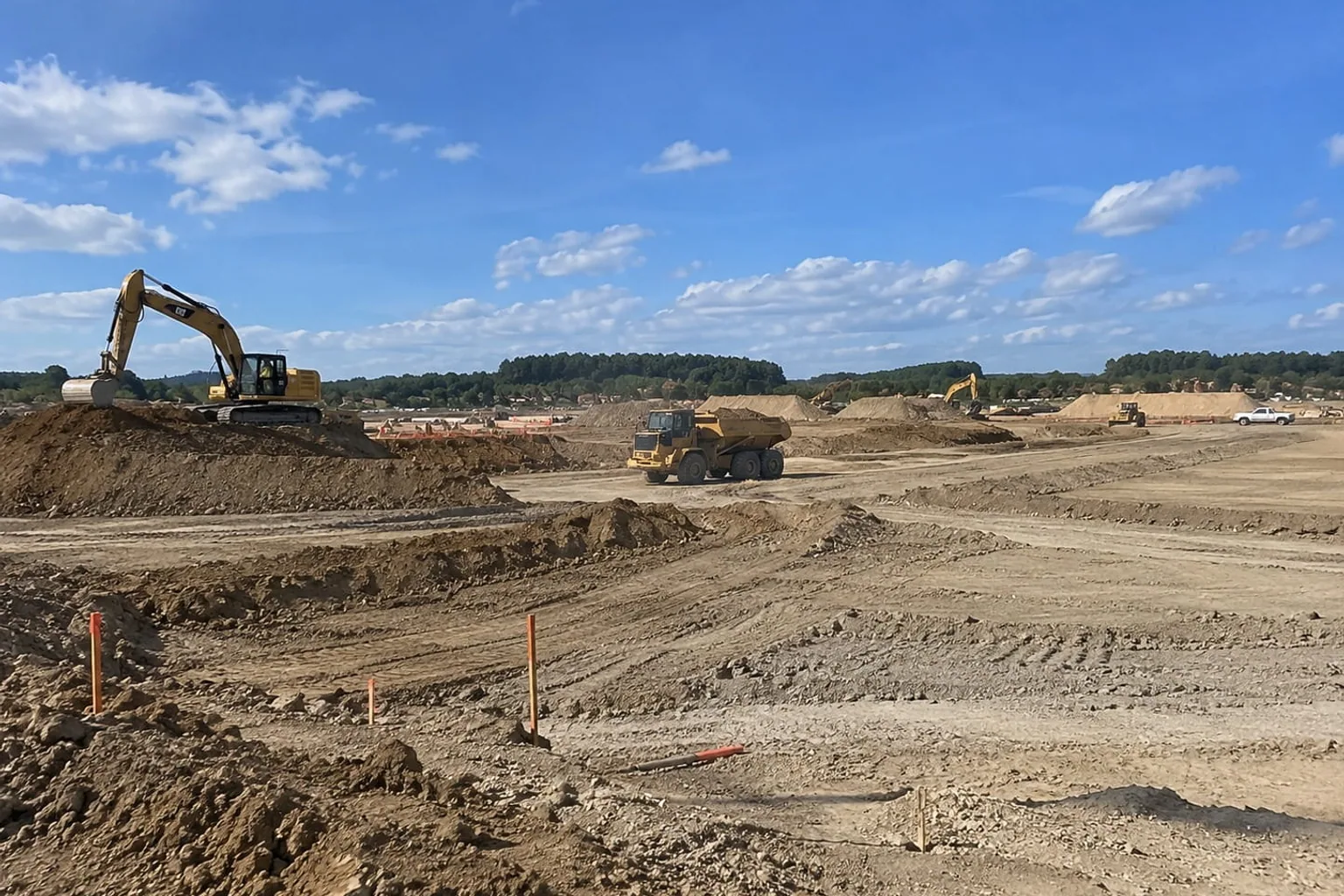
The final trim is where a landscaping job either looks finished or looks rough, because this is the stage people actually see. We fine-tune levels, shapes and drainage falls across the site, working off your plan so the result matches the design rather than a close guess. Crisp edges and even levels mean your lawns, beds and paths look properly completed instead of roughly pushed into place.
The soil is left ready for turf, planting or mulch, so nobody needs to relevel before the next stage starts. We’ve done final trim work on a wide range of Auckland sections and know how much these last details shape the impression a finished landscape makes. That care beyond the heavy earthworks is why landscapers and homeowners keep coming back to us with repeat work.
Getting the site ready
Trimming is fine detail work and it needs an uncluttered site. Here are four things to sort before we turn up.
Shift pot plants, outdoor furniture and garden tools away from the areas being finished. Shaping and grading go faster when the crew isn’t dodging things.
Garden lighting cable and irrigation pipe are easy to catch during the last grading pass. Mark where they run so nothing gets disturbed while we finish off.
Show us the edges, curves or features from your landscape plan that matter most. That keeps the finished ground looking the way you pictured it.
When the trim runs close to a shared fence, tell the neighbours first so a machine near the boundary doesn’t take them by surprise.
Where we work
Final trim work is most in demand in Auckland’s newer subdivisions, from Milldale and Hobsonville to Flat Bush, where homes are nearly finished and landscaping is the last job left.
Older suburbs around Auckland keep us busy with final trim work for landscaping upgrades as well.
Common questions
We work right across metropolitan Auckland, and regional or rural jobs can be looked at case by case. Include your suburb when you ask for a quote and we’ll confirm whether we can help.
Not always. Simpler jobs can often be priced from plans and photos, but sites with awkward access or a complicated scope are usually worth a visit first.
It depends on Auckland Council’s rules, your property and the scope of the job. Check what applies before anything starts—we can help you work out what to ask the council.
We cover residential, rural, commercial and civil work. Whether a particular job suits us comes down to access, programme, the plant needed and the confirmed scope.